

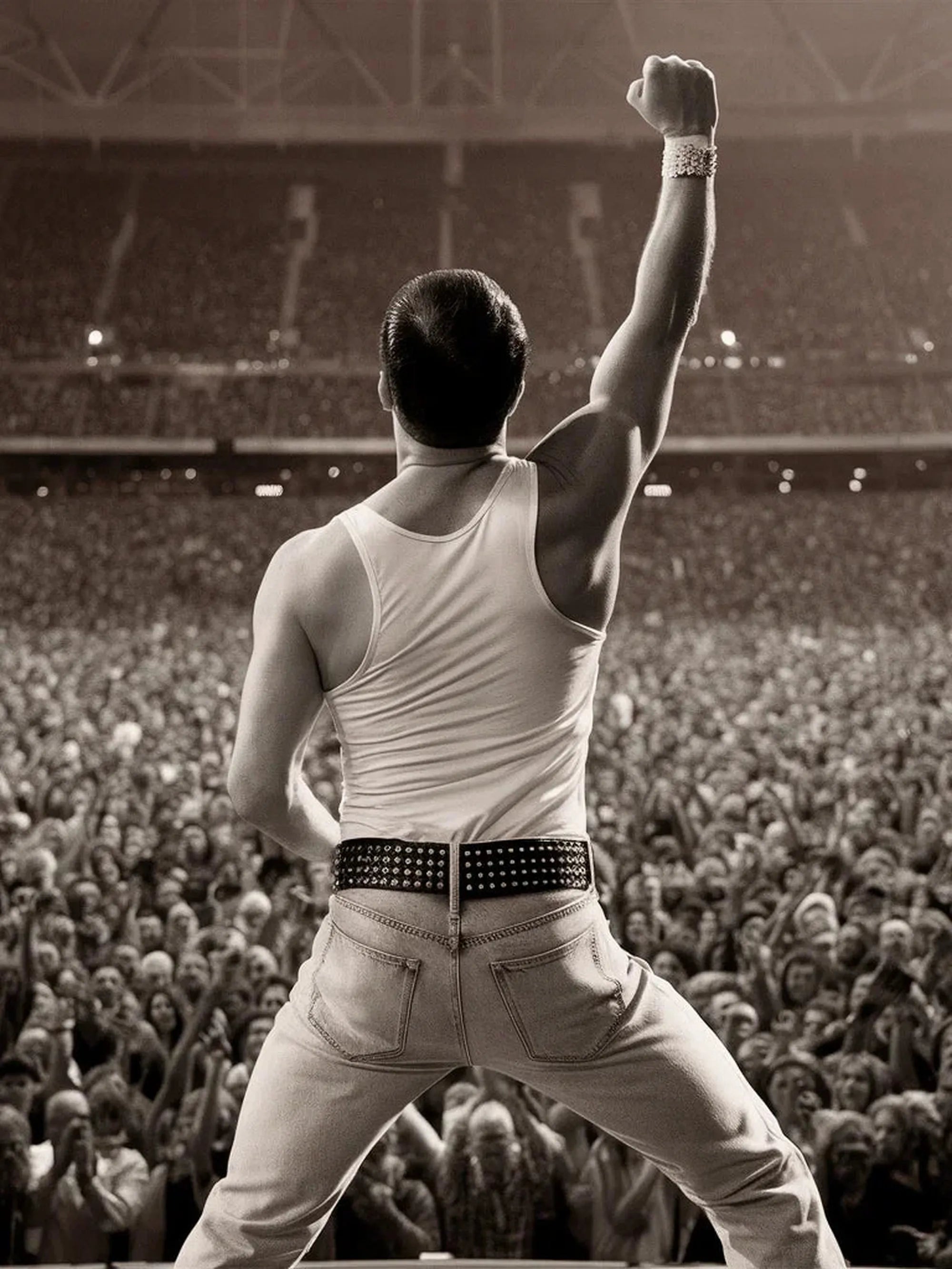
On July 13, 1985, a lot of bands played Wembley. Queen owned it. Their slot was barely 20 minutes, scheduled mid-marathon, with equipment that wasn’t exactly tailored for operatic rock. No matter. Freddie Mercury strolled out with his half-mic stand like a pirate about to steal the moon and proceeded to conduct 72,000 people—plus another gazillion on TV—like they were his backing choir. In a day full of icons, one set felt like the headline destiny had written in Sharpie.
A blow-by-blow of the set
Bohemian Rhapsody (abridged): Start with the piano—instant spine chill. Skip the studio opera detour (nobody brought a mini-choir), punch straight to the payoff. Radio Ga Ga: Suddenly a stadium claps in perfect time like they practiced. They didn’t. Hammer to Fall: Brian May lights the fuse; Freddie roars. Crazy Little Thing Called Love: Rockabilly wink, hips included. We Are the Champions: Not a closer so much as a universal law. Then Freddie’s improv call-and-response—“Ay-oh!”—turns soundcheck into symphony. If aliens needed one clip to understand “rock star,” that’d be it.

Why it worked (beyond “he’s Freddie”)
- Setlist architecture: Open huge, never coast, switch textures, finish with an anthem. There’s zero dead air; even tuning feels intentional.
- Broadcast-first thinking: Queen knew they were playing as much to cameras as to seats. Big gestures, clean transitions, tight timing—TV ate it up.
- Stagecraft as leadership: Freddie didn’t sing at Wembley; he piloted Wembley. That “Ay-oh!” routine isn’t banter—it’s command presence dressed as play.
- Sound matters: The mix team earned their paycheck. You hear the piano, the claps, the rasp—the whole palette—without it turning to soup.
The set that turned a charity marathon into a coronation.
The final chapter (handled with love, not gloom)
In the late 80s, Freddie confronted HIV/AIDS during years when stigma screamed louder than facts. Publicly, he kept the spotlight on the music; privately, he kept working like a man who understood time. Listen to the late-period ferocity of The Show Must Go On and you can hear the message: make it count. On November 24, 1991, he died at 45. The bandmates, the fans, and basically half the planet have been singing along ever since. Legends don’t retire; they echo.

Why he still owns the room
- Technique plus theater: Opera-worthy range with pub-brawl grit; you believe every syllable.
- Permission to be big: Freddie told the world “take up space.” A million karaoke mics cried tears of joy.
- Anthems that attach: The choruses aren’t just catchy; they’re communal architecture. Strangers become a choir in four bars or fewer.


